Car Accidents
You don’t have to face the insurance company alone.
Car accidents can leave you with mounting medical bills, lost income, and an insurance adjuster pushing for a fast, low settlement before you know the full extent of your injuries.
We build a complete picture of your damages before we ever talk numbers, and we prepare every case as though it’s going to trial — which is exactly what motivates insurers to offer a fair settlement instead.
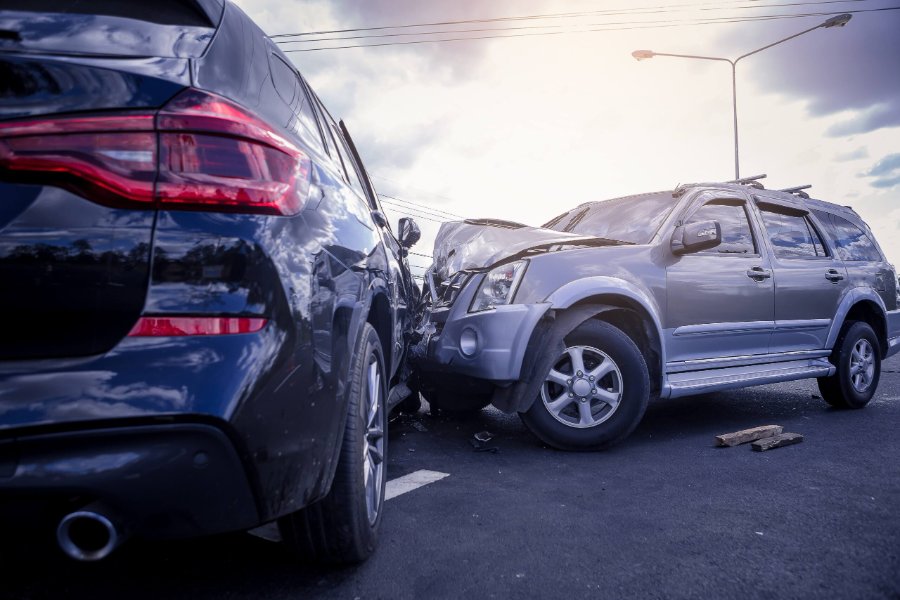
Types of Car Accidents We Handle
Multi-Vehicle Pile-Ups
Chain-reaction crashes involving three or more vehicles, common during heavy highway traffic. We work to identify every liable party and pursue all available insurance coverage.
Hit-and-Run Accidents
We help identify fleeing drivers through surveillance footage and witness statements while pursuing compensation through your own uninsured-motorist coverage.
Rideshare Accidents
Uber and Lyft crashes involve layered insurance policies. We know how coverage applies whether you were a passenger, a driver, or struck by a rideshare vehicle.
Drunk Driving Accidents
DUI crashes often cause severe injuries from high-speed, reckless impacts. We pursue maximum compensation, including punitive damages where appropriate.
Head-On Collisions
Often the most catastrophic collision type, typically caused by a driver crossing the centerline. These cases usually involve serious, life-altering injuries.
T-Bone (Side-Impact) Accidents
Common at intersections when a driver runs a red light or fails to yield. Side-impact crashes frequently cause severe injury with little protection between occupant and impact.
Rear-End Collisions
The most common type of car accident. Even a “minor” rear-end impact can cause whiplash, herniated discs, or a traumatic brain injury.
Common Causes
- Distracted or impaired driving
- Speeding and reckless driving
- Failure to yield or running red lights
- Poor weather or road conditions
What You May Recover
- Medical expenses, past and future
- Lost wages and diminished earning capacity
- Pain, suffering, and loss of enjoyment of life
- Vehicle repair or replacement costs
What Your Case May Be Worth
Every case is different — these ranges are illustrative starting points, not a promise of outcome.
Minor Injuries
Soft-tissue injuries, whiplash, and minor cuts requiring brief medical treatment.
Moderate Injuries
Broken bones, herniated discs, or concussions requiring surgery or extended treatment.
Severe Injuries
Traumatic brain injuries, spinal cord damage, or permanent disabilities requiring lifetime care.
What To Do After a Car Accident
Call 911
Get police on scene — an official accident report is evidence insurers can’t easily dismiss.
Stay at the scene
California law requires drivers to remain until police complete their investigation.
Document everything
Photograph every vehicle, the scene, road conditions, signals, and any visible injuries before evidence disappears.
Exchange complete information
Names, contact details, insurance policy numbers, and license numbers for every driver, plus witness contacts.
Get a prompt medical evaluation
Adrenaline can mask a concussion or internal injury — timely records tie your injuries to the crash.
Mistakes to Avoid
- Admitting fault or apologizing at the scene
- Accepting a quick settlement offer
- Giving a recorded statement to the other driver’s insurer
- Posting about the accident on social media